


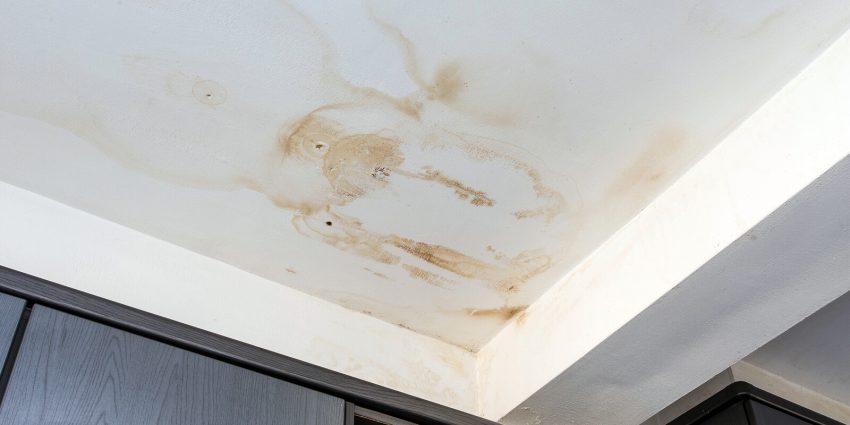
Have you ever noticed a faint musty smell or slight discolouration at the base of your tiled wall, or even had a neighbour knock on your door to complain about a water stain on their ceiling? These are often early warning signs that waterproofing for condos and landed homes may be failing, allowing moisture to seep into areas where it shouldn’t.
In Malaysia’s humid climate, bathroom waterproofing failure is more than just an inconvenience, it can quickly escalate into a costly problem if left unchecked. Studies suggest that nearly 70% of buildings experience leaks in wet areas, yet most homeowners only realise something is wrong once visible damage has already set in, often requiring expensive repairs.
Water leakage is often insidious, developing gradually as moisture travels through hidden cracks, joints, and porous grout long before any visible drip appears. Whether you live in a high-floor condominium unit or in a landed home, your bathroom is constantly exposed to moisture and humidity that can slowly weaken waterproofing layers over time.
However, while the risks are universal, the repair strategies differ wildly depending on your property type. Understanding the right solution isn’t just about stopping a drip, it’s about preserving your investment, avoiding legal disputes, and maintaining a healthy living environment.
Key Takeaways
- Bathroom leaks often develop slowly, making them difficult to detect until visible damage appears
- Moisture can travel through hidden cracks, grout lines, and porous materials before showing any signs
- Both condominiums and landed homes are exposed to constant bathroom moisture, regardless of property type
- Repair strategies differ depending on building structure, accessibility, and renovation restrictions
- Condo bathroom leaks can be more complex due to shared structures and potential impact on neighbouring units
- Addressing waterproofing issues early helps prevent recurring damage and higher repair costs
- The right waterproofing solution focuses not just on stopping visible leaks, but on protecting long-term structural integrity and indoor living conditions
Table of Content
- Common Signs and Causes of Waterproofing Failure
- What causes waterproofing failure?
- Why Bathroom Waterproofing Problems Often Recur
- Choosing the Right Bathroom Waterproofing Solution for Your Home
- Choosing the Right Bathroom Waterproofing Solution
- How Modern Waterproofing Technology Improves Repair Efficiency 5
- Conclusion
Common Signs and Causes of Waterproofing Failure
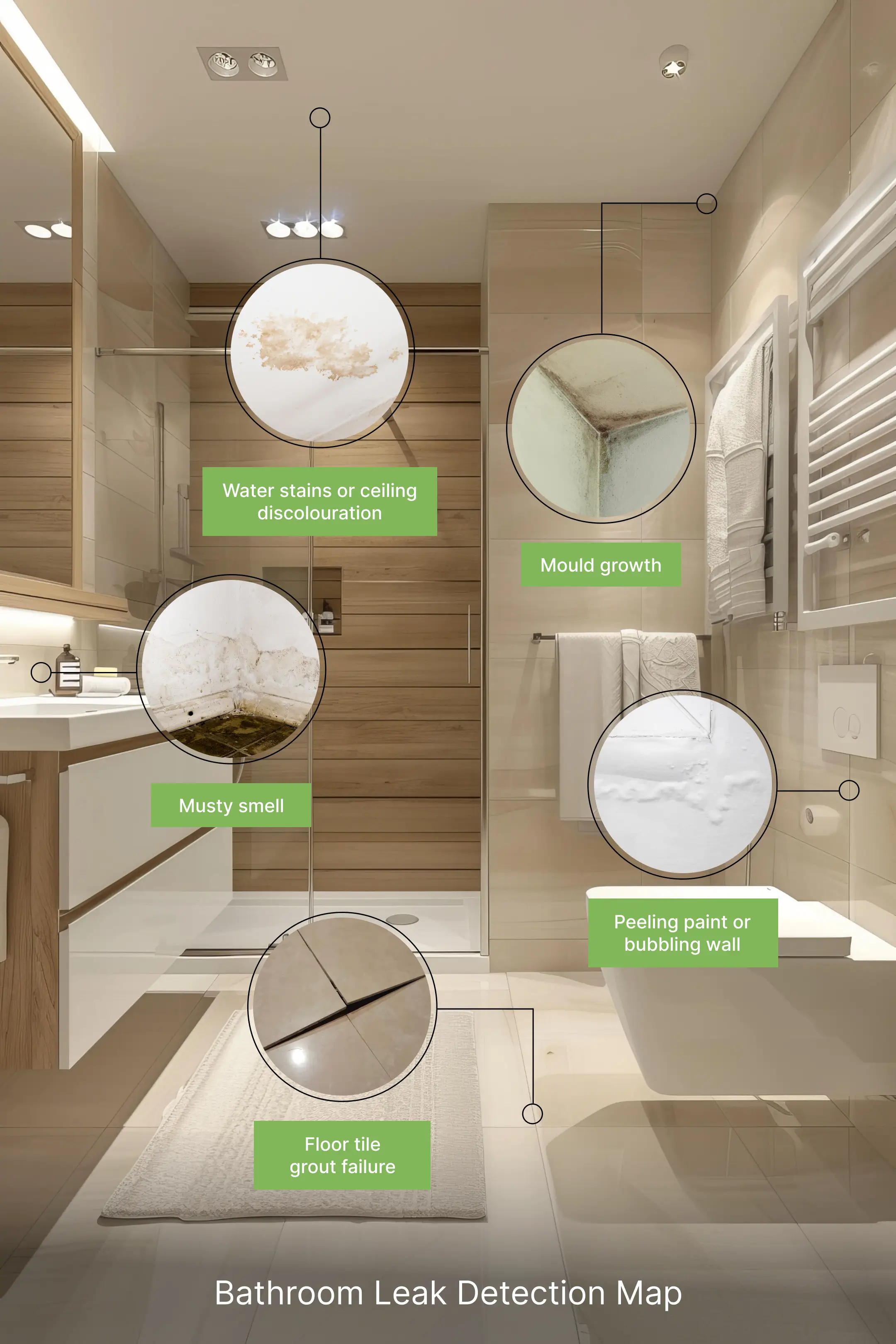
Ignoring the early warning signs is the number one reason minor issues become catastrophic failures. Look out for these red flags:
- Persistent damp patches on nearby walls or flooring
- Water stains or ceiling discolouration, especially in rooms below
- Mould growth caused by trapped moisture
- Cracked bathroom tiles or loose grout joints
- Peeling paint or bubbling wall finishes
- A musty smell that lingers despite cleaning
Although these signs may appear minor at first, they often indicate that water has already penetrated beneath the bathroom surface.
What causes waterproofing failure?
Several factors can contribute to bathroom leakage over time, including:
- Poor waterproofing installation during construction or renovation
- Low-quality waterproofing materials that deteriorate faster
- Ageing grout and sealants that lose effectiveness over time
- Poor drainage design, allowing water to pool in certain areas
- Hairline cracks and porous surfaces that gradually absorb moisture
Since bathrooms experience constant exposure to water, even minor weaknesses can eventually turn into recurring seepage problems.
Why Bathroom Waterproofing Problems Often Recur
One of the most frustrating things about bathroom leakage is fixing the problem only for it to return a few months later.
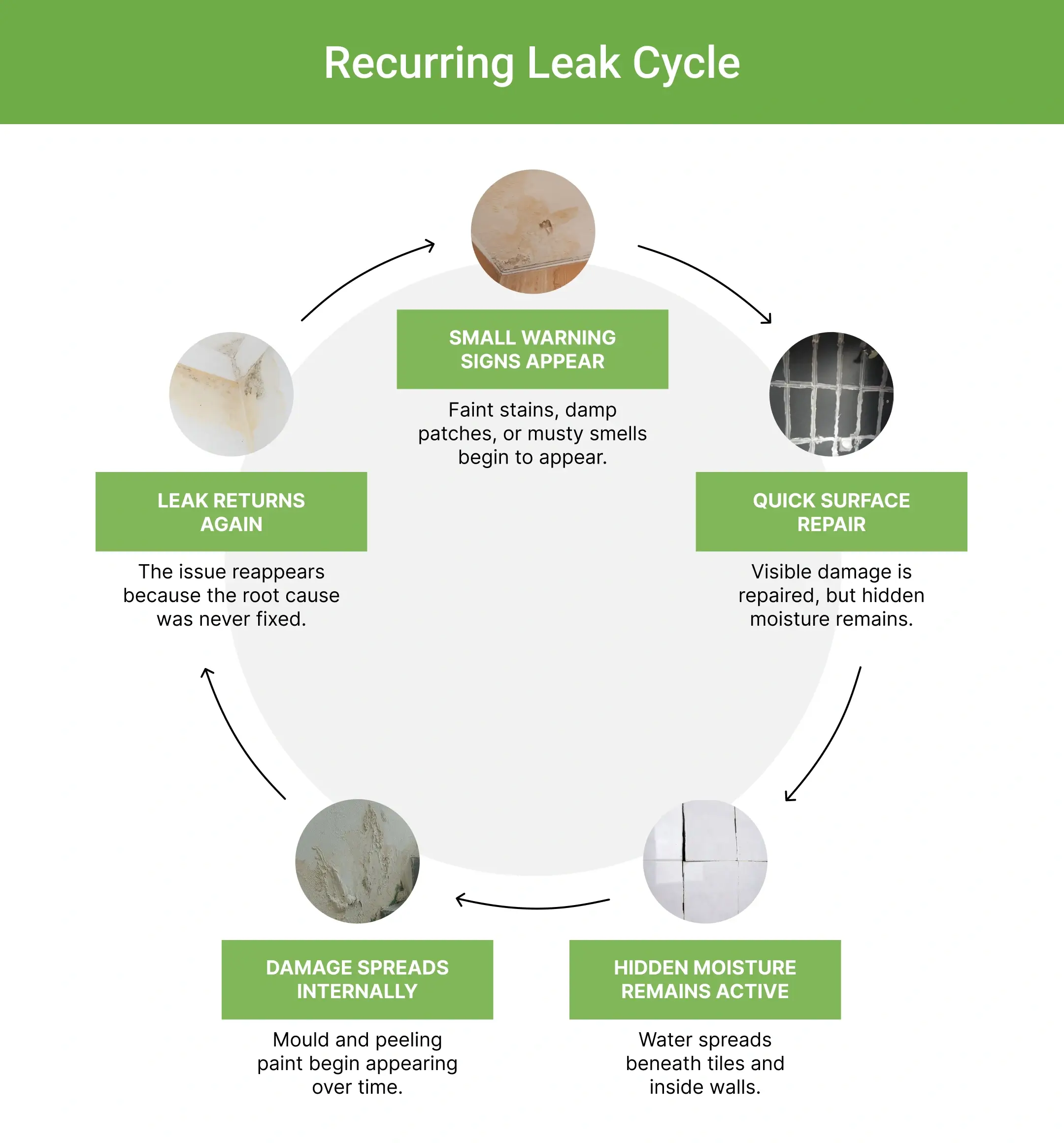
This usually happens due to the following factors :
- Previous Repairs: Most previous repair works only address visible symptoms such as cracks or leaks on the surface, without resolving the deeper waterproofing failure underneath the tiles and structure.
- Travelling Water: Water is highly persistent and can travel through hidden cracks, tile joints, and porous building materials, which makes it difficult to accurately trace the true source of leakage.
- Ageing Systems: Waterproofing systems age. Harsh cleaning chemicals, thermal expansion, and daily wear degrade membranes over time.
- Delayed Action: When you delay proper repairs, moisture spreads from the affected area to the walls, ceilings, and eventually into structural components. By the time you notice the mould presence, the waterproofing has likely failed significantly.
Choosing the Right Bathroom Waterproofing Solution for Your Home
Bathroom leakage can be stressful in any property, but the level of complexity often differs between condominiums and landed homes due to structure, access, and repair constraints.
Water Leakage in Condominium Bathrooms
In condominiums and apartments, leakage is not confined to a single unit, making effective waterproofing for condos and landed homes especially important. As floor slabs and structural elements are shared, water seepage can easily affect neighbouring homes, particularly units below.
Common challenges include :
- Water stains or damp ceilings in units below
- Urgent complaints from neighbours once leakage appears, causing inconvenience and immediate attention.
- Requirement for property management approval before repairs
- Restrictions on hacking or major renovation works
- Limited access to plumbing and floor structures
As a result, even minor leaks can become urgent issues that require fast coordination to prevent disruption and further damage.
Water Leakage in Landed Home Bathrooms
Landed properties offer more flexibility since repairs are contained within a single household and are not subject to strata regulations.
Homeowners often benefit from:
- Fewer renovation approvals
- Easier access for inspection and repairs
- Greater flexibility for extensive waterproofing works
However, delaying repairs can still lead to severe water damage, mould growth, and higher restoration costs over time.
Choosing the Right Bathroom Waterproofing Solution
Bathroom leakage issues vary in severity, and the appropriate waterproofing solution depends on both the extent and location of the damage. Whether it involves waterproofing for condos and landed homes, a proper assessment is essential to ensure repairs are effective rather than temporary fixes.
Since waterproofing systems are designed for specific problem types, the chosen method should be guided by the severity of the leak and the areas affected.
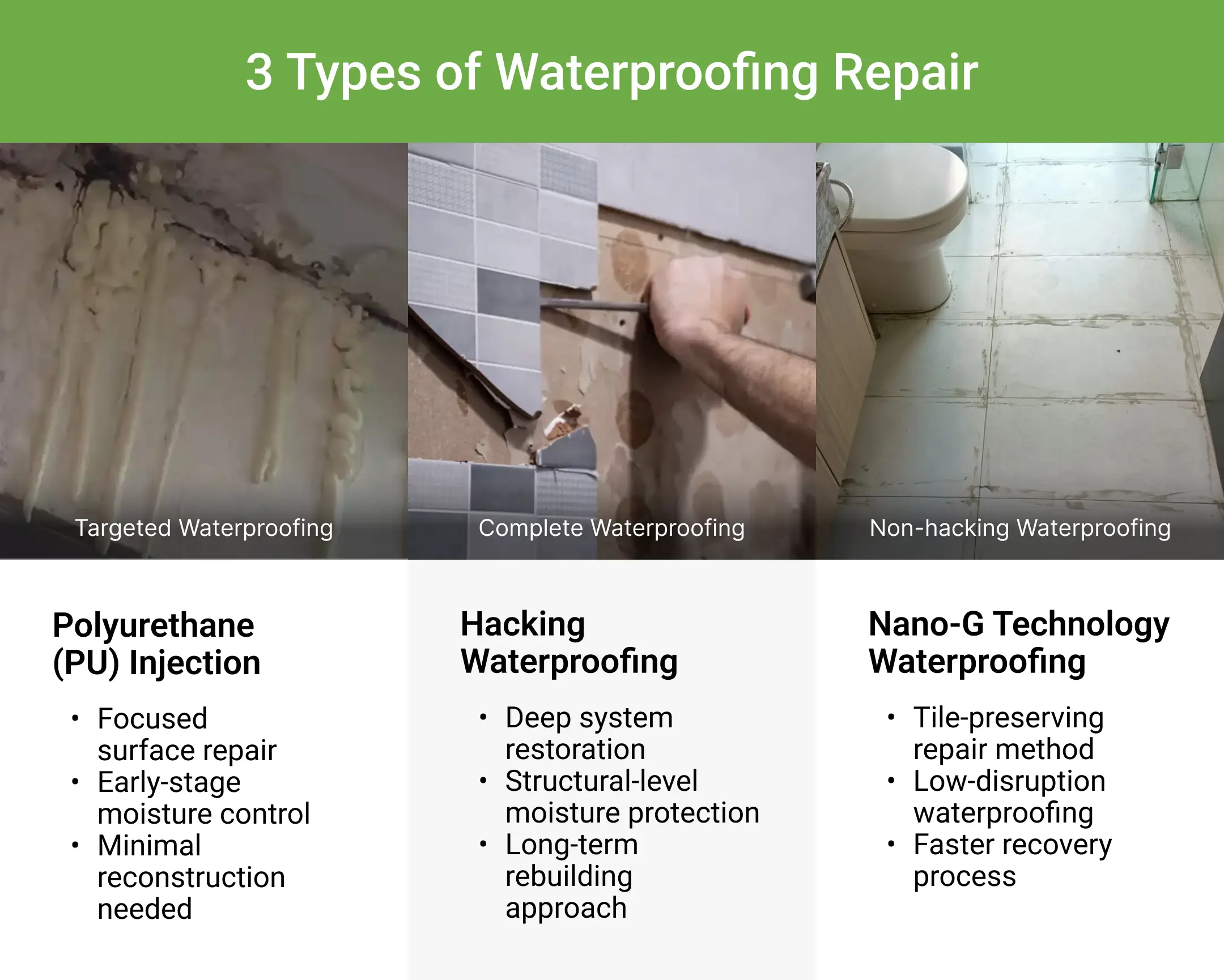
Targeted waterproofing treatments
- Caused by hairline cracks, worn grout, or deteriorated joints
- Suitable to address minor leakage or surface-level issues
- Usually does not require major renovation work
Complete Waterproofing Replacement
- Typically involves deeper structural water penetration
- Suitable for severe or long-term leakage
- Ensures long-term protection of bathroom structures
Non-hacking waterproofing solutions
- Increasingly preferred for modern homes and condominiums
- Allows repairs without removing tiles or breaking surfaces
- Minimises disruption to daily routines
- Ideal for occupied units where downtime must be reduced
How Modern Waterproofing Technology Improves Repair Efficiency
Advances in waterproofing technology have made it possible to treat certain types of leakage directly from the surface, reducing the need for extensive demolition work. Modern waterproofing systems are engineered to penetrate deep into building materials, forming a protective barrier that seals existing cracks and helps prevent further water intrusion.

Nano-G offers waterproofing solutions using an advanced nanotechnology-based system designed to meet demanding performance standards. Ideal for waterproofing for condos and landed homes, this technology works by seeping into microscopic pores that conventional coatings cannot reach, creating a durable water-repellent barrier from within the material itself.
For a deeper understanding of how this technology supports bathroom waterproofing and helps prevent long-term water damage, read more here.
Conclusion
A professional inspection is essential to accurately identify the true source of leakage and determine the most suitable waterproofing solution. Addressing issues early helps reduce the risk of structural damage and prevents repair costs from escalating over time. With proper inspection, repairs can target the root cause of the problem instead of just treating surface symptoms.
Taking timely action is key to maintaining a safe, dry, and well-protected living environment. If you are experiencing signs of leakage or water damage, contact Nano-G today for a professional assessment and tailored waterproofing solution.
FAQs
1. How do I know if my bathroom has a waterproofing issue?
Waterproofing problems are not always visible at the source, which is why proper waterproofing for condos and landed homes requires regular attention and early intervention. Common indicators include water stains on ceilings or walls in the unit below, peeling paint, bubbling plaster, musty odours, or persistent damp patches in or around the bathroom. In some cases, tiles may appear intact while water is already seeping through hidden gaps beneath the surface, meaning the issue may only become obvious when it affects neighbouring units.
2. Do all bathroom leaks require hacking and tile removal?
Not necessarily. The repair method depends on the severity and depth of the leakage. Minor issues such as hairline cracks, deteriorated grout, or joint failures can often be treated using targeted or non-hacking waterproofing solutions applied directly to the surface. Hacking and tile removal are typically only required when leakage is severe, long-term, or has penetrated deep into the structural layer, where surface treatments are no longer sufficient.
3. What is a non-hacking waterproofing solution?
A non-hacking waterproofing solution is a repair method that addresses leakage without removing tiles or breaking bathroom surfaces. Instead, specialised waterproofing materials are applied over or into the affected area to seal cracks and restore protection. This method significantly reduces renovation time, mess, and disruption, making it especially suitable for occupied homes and condominiums where continuous access to the bathroom is important.
4. Why is early waterproofing repair important?
Early repair is critical because water damage tends to worsen over time, even if the leak appears minor at first. Delays can lead to concrete deterioration, mould growth, damage to internal finishes, and even disputes in condominium settings when neighbouring units are affected. Addressing the issue early helps contain the damage, simplifies repairs, and significantly reduces long-term repair costs.
5. How does modern waterproofing technology improve repairs?
Modern waterproofing systems are designed to go beyond surface-level protection. They can penetrate into microscopic pores and fine cracks within building materials, sealing pathways that conventional coatings cannot reach. Nanotechnology-based solution used by Nano-G forms a durable water-repellent barrier from within the material, improving adhesion, coverage, and long-term resistance against water intrusion.
6. Why do I need a professional inspection instead of DIY fixes?
Water leakage is often complex and can originate from multiple hidden sources, making it difficult to diagnose accurately without technical assessment. A professional inspection helps identify the true cause of leakage and ensures the correct repair method is applied. DIY solutions often treat surface symptoms only, which can lead to repeated failures and higher long-term repair costs if the underlying issue is not properly resolved.