


A simple guide to the top 5 waterproofing solutions for roof leakage in Malaysia, designed to help you choose the right fix for roof leaks.
Key Takeaways
- Malaysia’s hot, humid, and rainy climate makes roofs vulnerable to leaks, dampness, and mold.
- Roof type, slope, and exposure to sun and rain affect which protection method works best.
- Timely inspections and repairs prevent small leaks from becoming major problems.
- Investing in a reliable solution saves money, stress, and repeated repairs in the future.
Table of Content
- Introduction
- Key Factors to Consider When Choosing Waterproofing Solutions
- Nano‑G Hospital-grade Nanotechnology Waterproofing
- Polyurethane Liquid Membrane
- Cementitious Waterproofing
- PU Injection (Polyurethane Injection)
- Torch‑On Membrane
Roof waterproofing solutions play a critical role in protecting buildings from long-term moisture exposure, especially when leaks are not always visible or immediate. More than a reactive fix, effective waterproofing solutions for roof leakage works as a continuous protective layer that limits water ingress, preserves the roof structures, and reduces the risk of recurring leakage, dampness, and hidden deterioration over time. This need becomes even more apparent in Malaysia’s tropical environment.
Our country’s tropical climate features humidity levels between 75% and 90% and receives over 2,500 mm of rainfall annually, meaning moisture is constantly present. This puts roofs under continuous water stress, leading to leaks, dampness, mold, and hidden moisture ingress even when it’s not raining.
A 2025 nationwide survey found that 90% of buildings experience roof leaks due to poor drainage or water pooling, highlighting the urgent need for durable waterproofing systems.

This article compares five widely adopted waterproofing solutions for roof leakage in Malaysia: Nano‑G Nanotechnology Waterproofing, Polyurethane Liquid Membrane, Torch‑On Membrane, PU Injection, and Cementitious Waterproofing. Choosing the right waterproofing solution is critical to ensuring durability, cost‑efficiency, and long‑term performance.
Key Factors to Consider When Choosing Waterproofing Solutions
When evaluating waterproofing options, homeowners and contractors should consider:
- Roof Type and Slope: Flat roofs vs. roofs with slope require different solutions.
- Exposure to Sunlight and Rainfall: Make sure it can handle strong sun and puddles without wearing out.
- Flexibility and Crack Bridging: Important for structures subject to thermal or structural movement.
- Longevity and Maintenance Requirements: Lifecycle costs may outweigh upfront installation cost.
1. Nano‑G Hospital-grade Nanotechnology Waterproofing
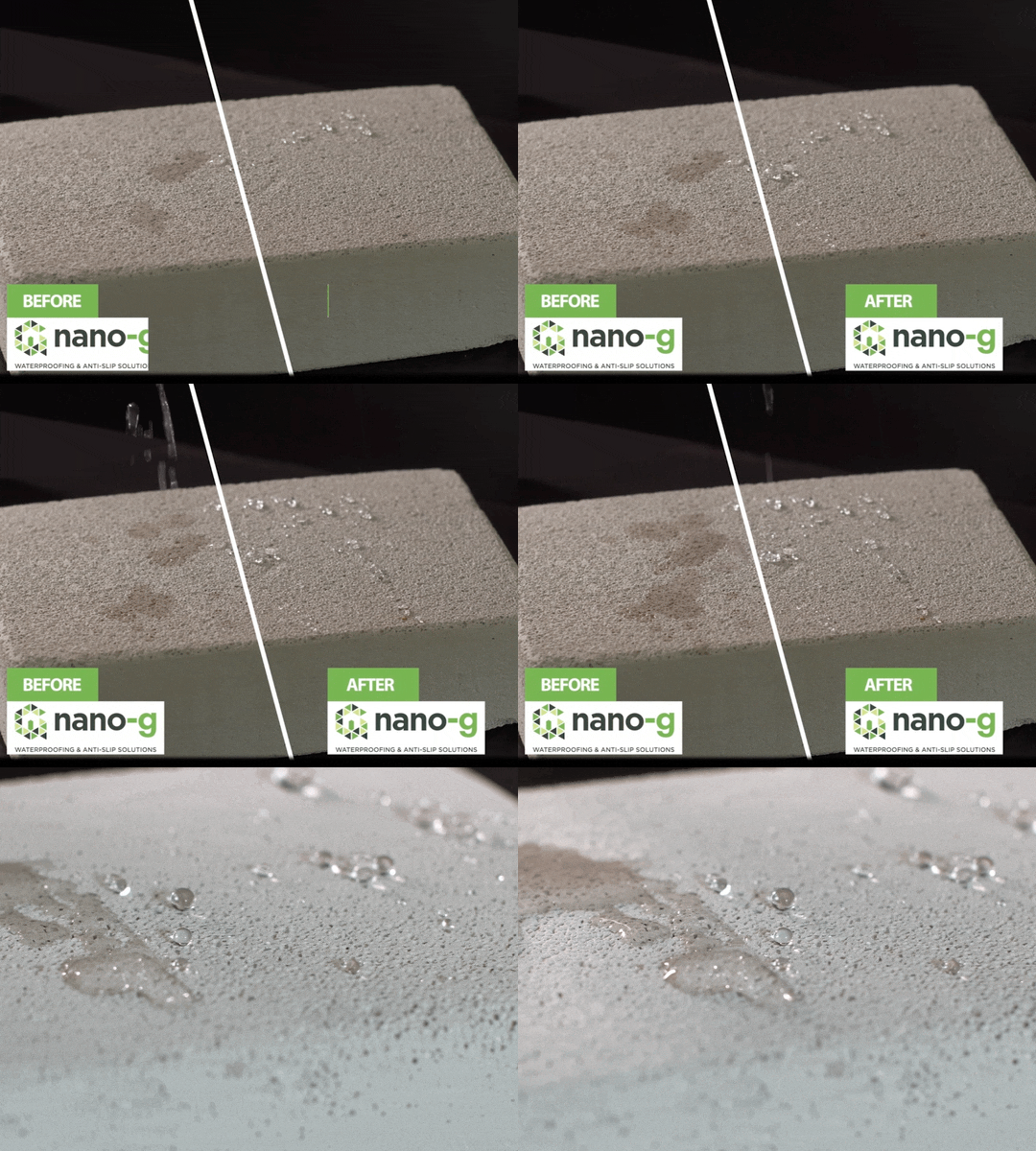
Nano-G Waterproofing uses advanced nanotechnology to protect surfaces from water damage. The solution penetrates deep into tiny pores and cracks within the surface, making it water-repellent from the inside. This creates the hydrophobic effect. It helps prevent water from seeping in while still allowing trapped moisture to escape, reducing common issues like dampness and peeling.
Unlike traditional waterproofing, Nano-G creates a seamless and breathable protective layer that allows moisture to dissipate from the concrete slab, preventing bubbling or blister issues in the future It is also resistant to ultraviolet (UV) exposure, which makes it suitable for Malaysia’s hot climate and frequent heavy rainfall. .
The waterproofing solution is applied in liquid form, allowing it to cover uneven areas, joints, and hard-to-reach sections more easily than sheet-based systems. This makes it one of the more effective waterproofing solutions for roof leakage, especially in complex roof structures. Because it works by penetrating the surface rather than sealing it with a rigid film, it is commonly used on roofs and other building surfaces where long-term durability and weather resistance are important. Read more on Nano-G 6th generation hospital grade nanotechnology waterproofing solution here.
2. Polyurethane Liquid Membrane
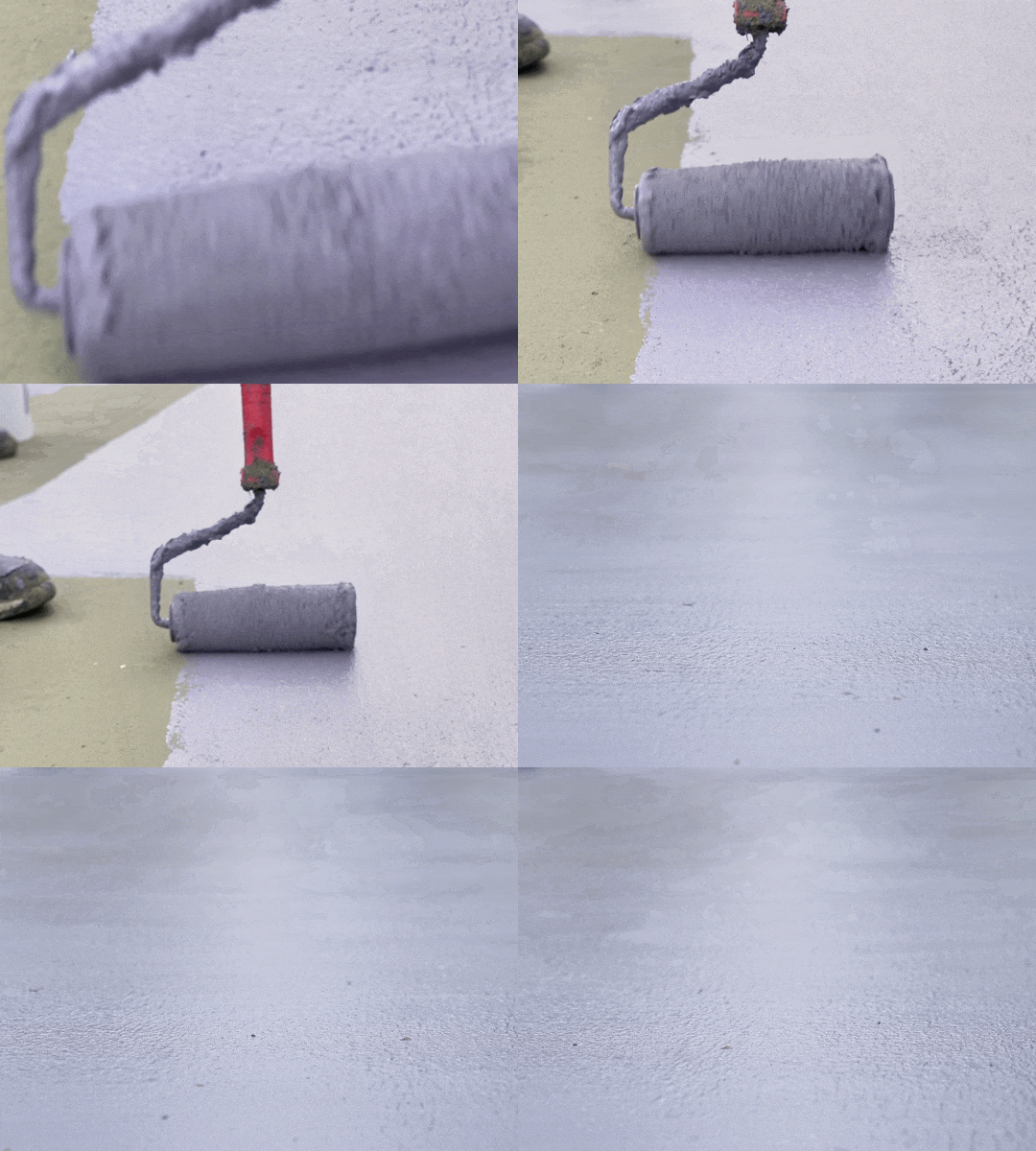
Polyurethane (PU) liquid membrane is a waterproofing solution that is applied as a liquid and dries into a single, seamless rubber-like layer. Once cured, it remains flexible and can stretch with the building, helping it bridge small cracks and cope with temperature changes without breaking.
This makes it effective for roofs that are exposed to heavy rain or occasional standing water. The coating is usually applied in several layers and must be properly cleaned and primed beforehand, especially around drains and corners, to ensure good adhesion.
Compared to simpler waterproofing systems, PU membranes should be inspected regularly over time. Because of their flexibility and durability, they are commonly used on commercial rooftops that experience frequent heat and movement.
3. Cementitious Waterproofing
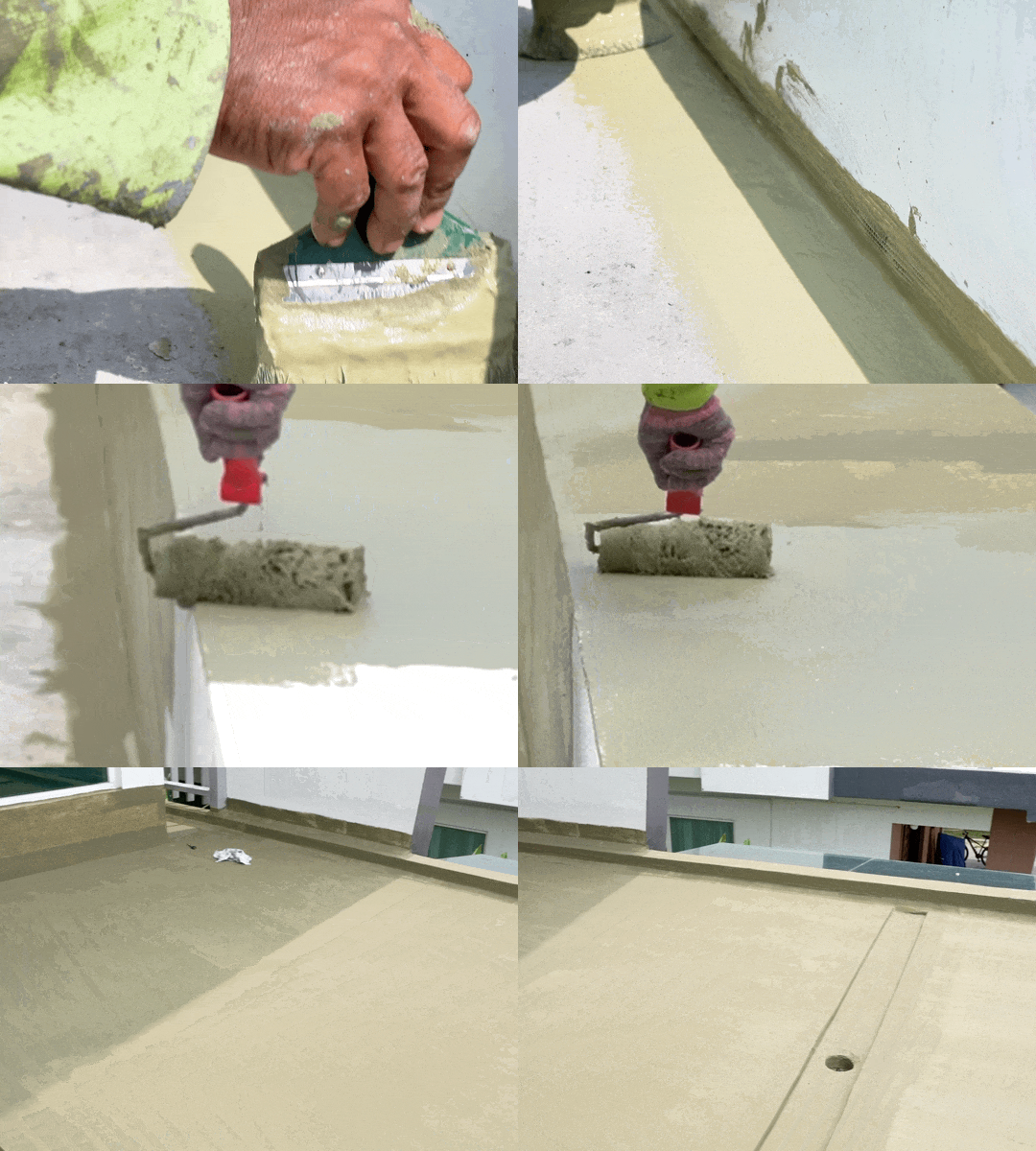
Cementitious waterproofing is a simple approach among common waterproofing solutions for roof leakage, using cement-based coatings mixed with special additives to block water from seeping through the roof slab.Because it bonds well to concrete, it is reliable for roofs, especially on concrete roofs that are structurally stable and have minimal movement.
One of its key benefits is ease of application. It is mixed with water and applied as a thick coating, allowing faster installation and fewer application steps. This makes it a suitable option when quick repair is needed.
Cementitious waterproofing is also durable in stable conditions. When applied on roofs with minimal movement, it provides long-lasting protection against water penetration with basic maintenance. It is low-maintenance, requiring only periodic checks and simple touch-ups if cracks appear.
This system works best for non-trafficable concrete roofs, service roofs, and utility areas where flexibility is not a priority, but a strong, straightforward waterproofing layer is needed to control roof leaks effectively.
4. PU Injection (Polyurethane Injection)
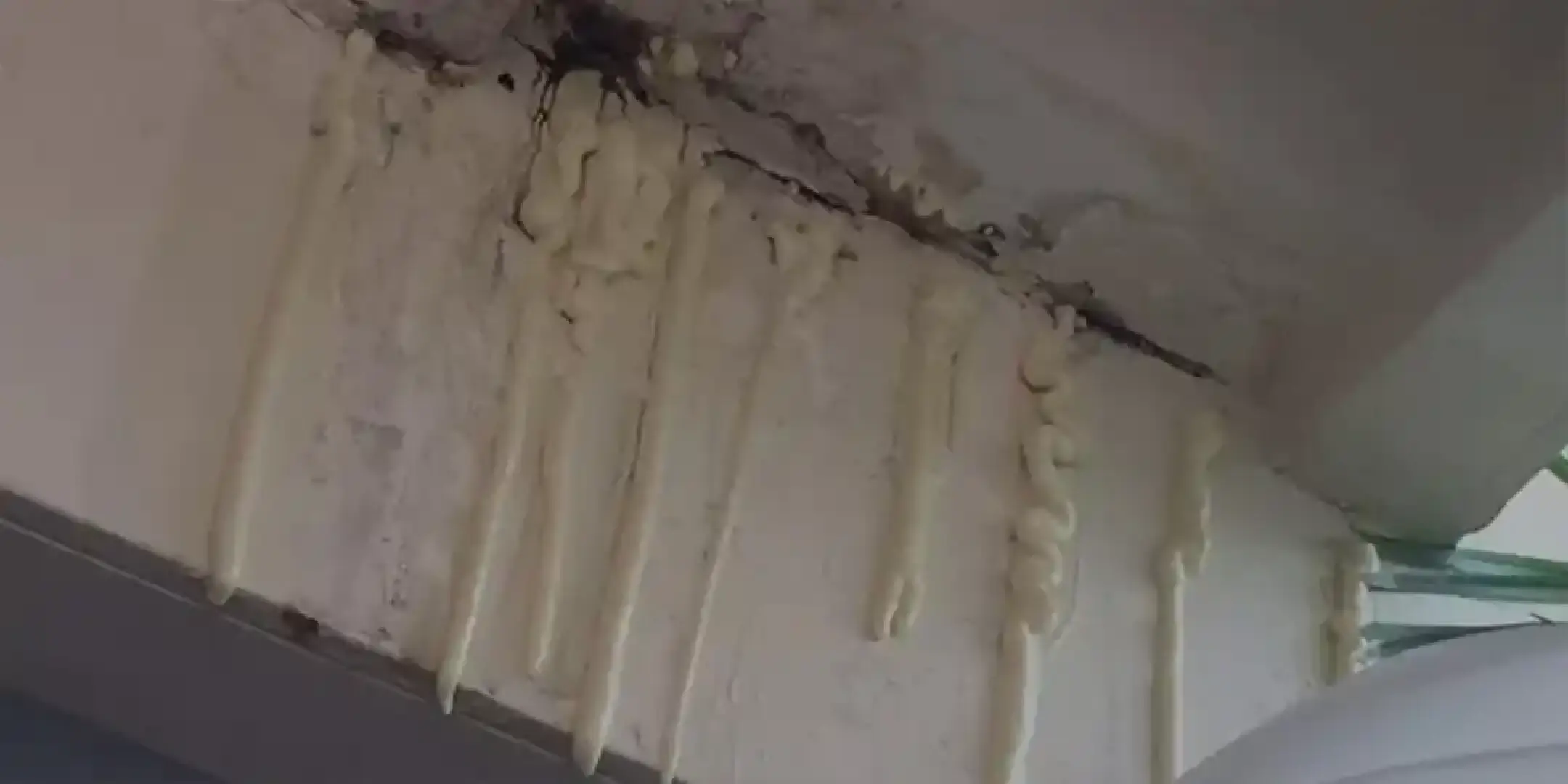
PU Injection is a repair method used to stop active leaks by pumping a special liquid polyurethane material into cracks, gaps, and joints in concrete. Because the material is very thin, it can flow deep into small cracks, where it reacts with moisture and expands, filling the gaps and blocking water from passing through. This makes it especially effective for fixing specific problem areas, such as leaking cracks, pipe penetrations, or joints, rather than waterproofing an entire roof surface.
The process requires trained technicians and specialised equipment to inject the material accurately and under controlled pressure, ensuring the cracks are fully sealed. Since only the affected areas are treated, the cost usually depends on how severe and accessible the leaks are, and it is generally more affordable.
The main advantage is its lower cost, however, the rectification process is messy, involves drilling, and can generate dust and noise. As a result, it is not suitable for hospitals, commercial premises, or homes with elderly occupants and children.
Regular checks are recommended to make sure the repaired areas remain intact over time. PU Injection is most commonly used as a targeted repair solution alongside other waterproofing systems, particularly for concrete roofs or structures experiencing active water leakage.
5. Torch‑On Membrane
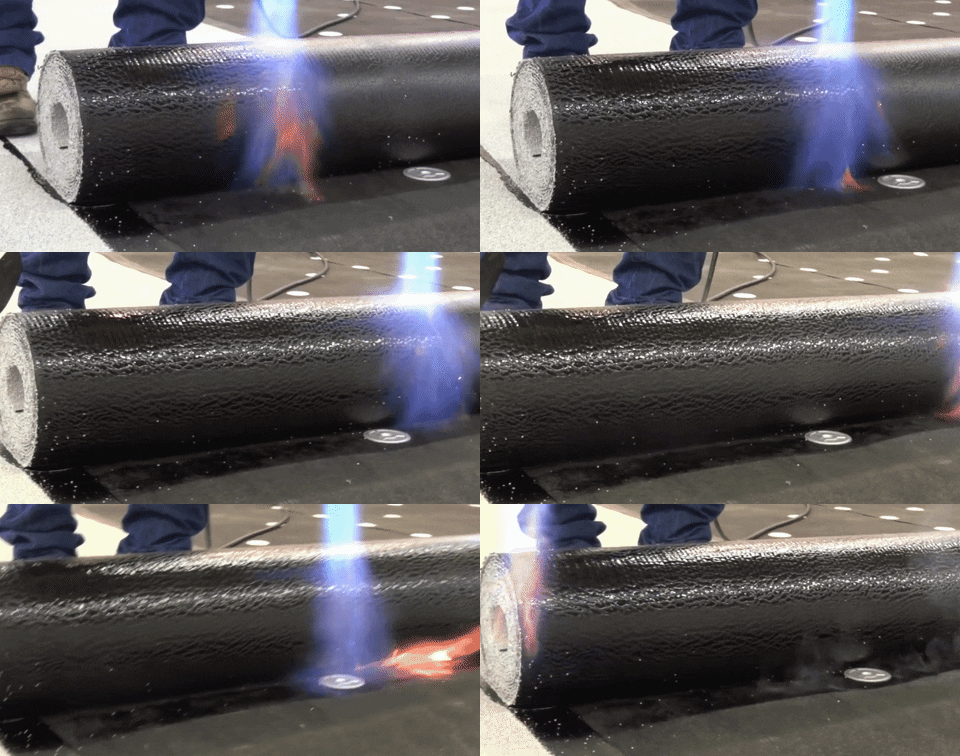
A torch-on bituminous membrane is a heat-applied waterproofing system that bonds modified asphalt sheets to a surface to form a continuous, waterproof layer with strong resistance to water ingress. Proper installation must be done by trained professionals due to the use of open flames and the importance of achieving full adhesion.
In the industry, the two primary types of torch-on membranes are Atactic Polypropylene (APP) and Styrene Butadiene Styrene (SBS). Both are heat-sensitive, bitumen-modified materials favored globally for waterproofing flat roofs, flooring, car porches, and balconies. Routine inspections are advised to catch issues like cracks or separation, and repairs must be carefully sealed.
Another key point to note is that while waterproofing membranes may seem effective initially, problems can develop over time. These include bubbling from trapped moisture, mould growth caused by ponding water, and water retention on roofs with poor slope and drainage. Proper installation is critical, as the technician must ensure the adhesive is fully melted and securely bonded to the surface to prevent these issues.
This type of membrane is widely used on commercial and industrial flat roofs where a seamless waterproofing solution is needed. In hot, humid climates like Malaysia, installation conditions and UV exposure can affect performance and long-term durability.
While others cast a wide net with conventional methods, Nano-G remains the dedicated specialist in genuine, Greece-imported nanotechnology waterproofing.
In the world of waterproofing, many companies in Malaysia try to be everything to everyone, but Nano‑G isn’t shy about claiming the title of specialist. We’ve honed our Greece-imported nanotechnology waterproofing to perfection, making us the go-to solution for roofs, porches, and concrete surfaces that need long-lasting protection.
With a proven track record across both homes and commercial buildings, Nano‑G has solved countless water leakage problems, and our satisfied clients are proof of our results.
Why waste time juggling multiple contractors or experimenting with trial-and-error fixes that may only patch the problem temporarily? Let Nano‑G take a look at your water stains, leaks, or roof trouble spots, and give your home the invisible, flexible shield it deserves; built to repel water, resist the sun, and stand the test of Malaysia’s heavy rains.
FAQs
1. Is waterproofing necessary even if the leak is minor?
Yes. Even small leaks should not be ignored. While they may seem minor initially, water can gradually seep into the roof structure, ceilings, and walls, leading to hidden moisture accumulation. Over time, this can weaken structural elements, cause timber rot or concrete deterioration, and create conditions for mold and mildew growth, which can affect indoor air quality and occupant health.
Additionally, untreated minor leaks tend to worsen during heavy rain or wet seasons, often resulting in more extensive damage and significantly higher repair costs. Early intervention with a proper waterproofing solution can prevent these issues, protect the building’s integrity, and reduce the likelihood of recurring leaks.
2. The building is occupied. Can waterproofing still be carried out?
Yes. Many modern waterproofing solutions for roof leakage are specifically designed to be applied with minimal disruption, making them suitable for occupied residential, commercial, and institutional buildings. These systems typically involve low-noise application methods, minimal dust generation, and little to no hacking or demolition, allowing daily activities to continue during the works.
Proper planning is essential to ensure safety and efficiency. Works can be scheduled in phases or during off-peak hours, with clear access control and safety measures in place. This approach is particularly important for offices, hospitals, schools, and commercial properties, where uninterrupted operations are a priority. When executed by an experienced team, waterproofing can be completed effectively without requiring occupants to vacate the premises.
3. Can I fix a roof leak without “hacking” or removing tiles?
Yes. With Nano-G Waterproofing Solutions, roof leaks can be repaired without the need to remove tiles or carry out major construction work. This non-invasive approach minimizes disruption to your home or building, reduces dust and debris, and avoids the time and cost associated with traditional “hacking” methods.
4. How do you find a leak without hacking?
On the first inspection, our experts will conduct a thorough assessment using advanced diagnostic tools such as thermal imaging (FLIR) cameras and moisture meters. Thermal imaging allows us to detect temperature differences in the roof or ceiling that indicate hidden water ingress, even in areas where no visible leaks or stains are present. Moisture meters then provide precise readings of water content within structural elements, helping identify damp zones and potential problem areas before they worsen.
5. Once waterproofed, is my roof maintenance-free?
No solution is truly “zero” maintenance, but roofs treated with Nano-G waterproofing solutions come with warranty. If any leaks recur after our repair work, our team will return to patch them promptly.