Kuala Lumpur, Selangor, Penang, Ipoh, Seremban & Johor

Tag: waterproofing malaysia

Nano-G New Bathroom

New Homeowners Should Waterproof Their Bathrooms

Here’s a tip: coat a layer of Nano-G’s Nanotechnology Waterproofing on your bathroom grouts to prevent water leaking!

You’ve done it, after years of working hard and saving up, you’ve finally bought yourself a home. But before you go about your homemaking, as a new homeowner, ensuring your bathrooms are properly waterproofed should REALLY be part of your checklist. See, while all bathrooms are already waterproofed under the tiles, having a protective layer on your grout is important too. This is because the layer underneath your tiles, called a waterproofing membrane, might have some defects that you don’t notice! So, take the proactive step to safeguard your bathroom with waterproofing for the utmost peace of mind.

A forum discussion on waterproofing issues in new homes
For my_nickleo, his new bathroom’s waterproofing membrane wasn’t working AND he had to deal with a difficult developer! As a homeowner to a new or second-hand property, you should know that you are entitled to a warranty for any structural defects you find. Always take photos of these problems as you see them!

That’s why doing a water ponding test is so important when you first move into your home.

What is a water ponding test? It’s a type of test for your bathroom floor to see if the waterproofing membrane underneath actually prevents water from seeping through and leaking into the ceiling below it. You wouldn’t want to one day be the upstairs neighbour that causes a water leaking issue to your downstairs neighbour, do you? 

Still, even if your water ponding test has been a success- or even after you get your waterproofing membrane fixed by the developer, you’ll still have to think about possible water leakage issues in the future. This is because waterproofing membranes will break down over the years, as like any protective building material. And also, if not damaged, the space between your tiles (the grout) will build up unsightly bacteria and mould that just ruins your tilework!
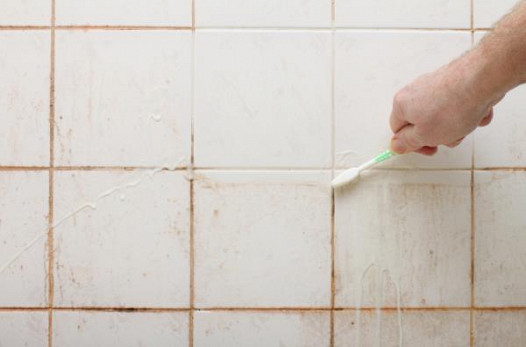
Bacterial build up in grouts being cleaned with a toothbrush
Photo credit: Networx
It doesn’t matter how frequently you scrub or wash your bathroom- a stain, is a stain. And a non-waterproofed grout allows bacteria to penetrate into its pores overtime.  

So, here are 3 reasons why you need a layer of Nano-G’s Nanotechnology Waterproofing on your bathroom grouts.

1. It’s a preventative measure against future water leakage issues.

It’s not enough to just have a waterproofing membrane underneath your tiles- you need to make sure that the surface of your grouts is waterproofed as well. Most bathroom grouts use cement that is prone to hairline cracks. These cracks aren’t visible to the naked eye and can run very deep into the cement. When still water gets on it, it will seep through the cracks and leak into the floor below it.

With Nano-G’s Nanotechnology Waterproofing, however, you don’t have to worry about water seeping into your grout. Our solution penetrates as deep as 3 cm into the grout and keeps the water droplets from seeping through.  

Unfortunately with our humid Malaysian weather, our bathrooms tend to dry slower. This means that still water is likely to stay for longer, creating water pressure on the tiles that weaken the grout and waterproofing membrane over time! Eventually, water will seep through to the floor below it, causing water damage to the ceilings.

With Nano-G’s Nanotechnology Waterproofing, however, you wouldn’t have to worry about your grouts absorbing water!

2. Nano-G’s Nanotechnology Waterproofing prevents mould growth.

Hydrophobic materials are made to specifically not let water seep and spread on them. 

Nano-G’s Nanotechnology Waterproofing solution is so hydrophobic that it prevents water from seeping through hairline cracks in grouts! Instead, the water will stay on the surface and dry off more thoroughly. By having such a water-resistant surface, this prevents water from pooling or seeping in your bathroom grouts. Therefore, these areas become less susceptible for bacteria to build up and grow into mould that is difficult to clean! Of course, this doesn’t mean you don’t have to clean your bathroom floors, it’ll just take less scrubbing.

3. You maintain your property value over time.

Because of Nano-G’s extra protection against water leakages and mould growth, you’re able to maintain the value of your home for a longer time! The reason why property loses value over time is because of how much damage it gets from wear and tear. What’s more, you’re less likely to have to spend a lot of money on bathroom renovations to fix your water leakage issues using hacking methods. Which, unfortunately, don’t always work.

With Nano-G’s Nanotechnology Waterproofing, you can keep your bathroom looking new for a long time!

Click here to watch how YouTuber Jeff & Inthira choose Nano-G to waterproof their new bathroom

Our tip to new homeowners is simple- waterproof your bathroom floor tiles to prevent water leakages and mould build-up. You’ll save a lot of money, as you wouldn’t need to spend it tirelessly trying to fix water leakage problems from the bathroom in the future.

You don’t even have to lift a finger or sacrifice a lot of your time to get it done! You simply need to set a date and time and we’ll send over our team of waterproofing experts to your home to apply our solution. It is a hack-free, dust-free and non-toxic operation that shouldn’t take longer than 24 hours to complete! What’s more, the material we use to waterproof your bathroom is made with nanotechnology, a material that’s so fine that it goes into the smallest pores on your tile and not create even the slightest change to the appearance of your tilework. 

While you’re at it, coat a layer of Nano-G’s Anti-Slip Coating to keep your bathroom slip-proof as well. You’re making a home after all!   

Interested but need more information? We’re here for you, message us on these platforms:

Facebook m.me/nanogmalaysia
WhatsApp nanog.wasap.my
Or give our hotline a call at 1800-18-6266
5 Types of Waterproofing Solutions to Fix Water Leakages in Malaysia

Waterproofing your walls, ceilings, and flat roofs at home, in the office, or at your business to prevent black and yellow stains from getting worse.

Malaysian households and workplaces are prone to mouldy walls or ceilings, especially in landed homes, condominiums, and even shop lots, due to waterproofing failure.

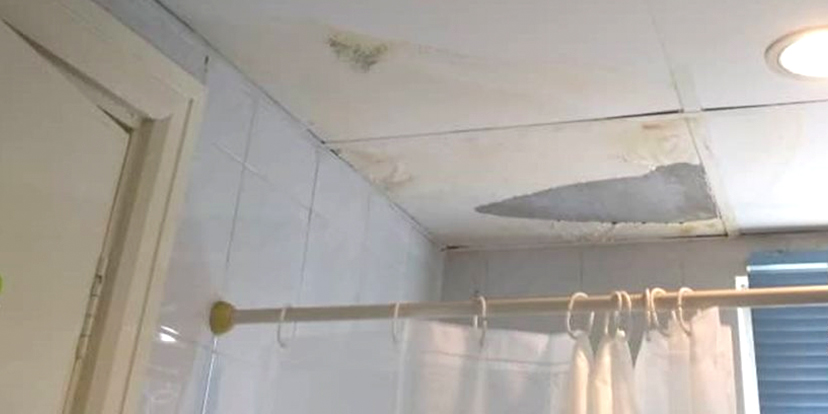
A water leaking issue from the upstairs bathroom has caused the ceiling to grow black mould and dark stains.
 In fact, you’re probably experiencing an ugly black or yellow stain on your ceiling right now that just won’t go away! 

The reason behind these unsightly stains is likely due to a water leakage issue in your toilet or balcony cement slab. If you don’t resolve these leakages fast, the stain could become a health hazard!

Worry not, you can keep your leak from getting worse and solve your leaks by using these waterproofing solutions on your leak-prone areas.

1. Cement your leak-prone cracks

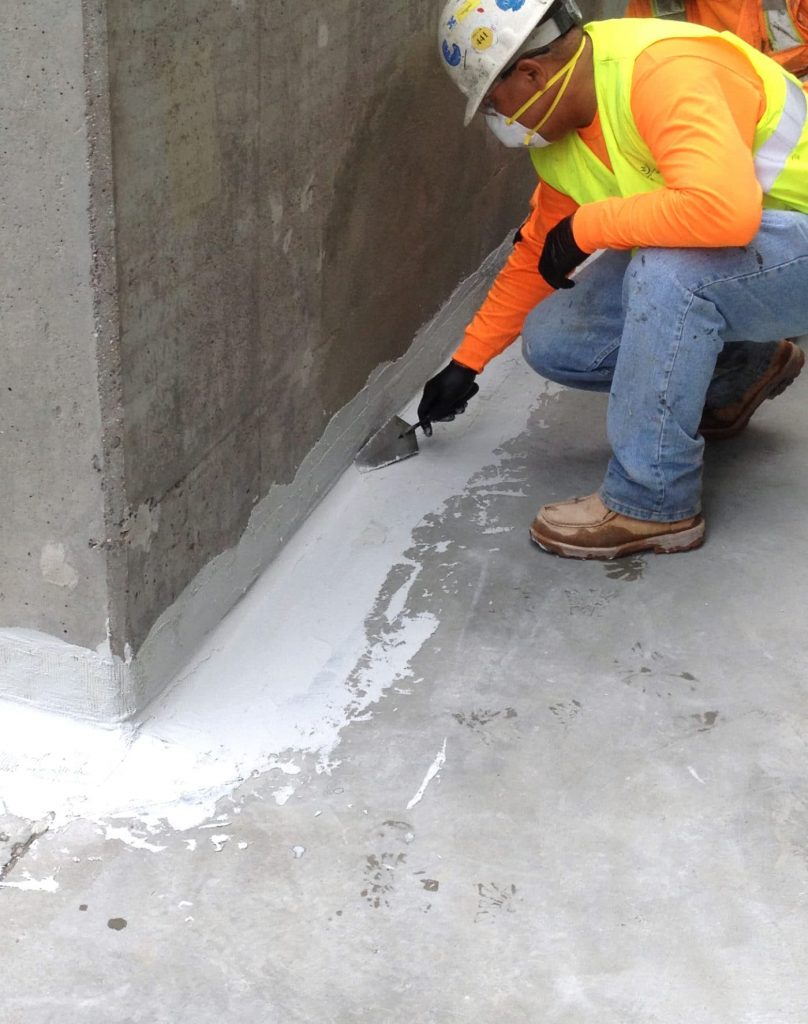
A contractor cementing the corners of a building as a way to waterproof corners.
Photo credit:  W.R meadows
 Cement coatings are  used at the side of buildings as a form of external waterproofing.  

This cheap waterproofing method uses cement mixed with acrylic additives to make a solid waterproof material used in sides of buildings or cement flat roofs. This is to seal places most likely to pool water from rain. Your hired contractor will spread a layer of cement mixture over hairline cracks to fill them in and prevent them from spreading. 

Unfortunately, cement is still cement. Aside from its long drying time, this mixture is not very flexible. Temperature fluctuations throughout the day is likely to cause cracks when the cement expands and contracts. This makes it highly unsuitable for our Malaysian weather. As our weather jumps from being hot and humid, to rainy at a moment’s notice. Overtime, your cement coating might crack, making the roof more susceptible to leakage.

2. Coat a layer of asphalt on your cement flat roof

 Bituminous (also known as asphalt) coatings use the same material found on roads. 

Asphalt, or more specifically, bituminous coatings, are a petroleum-based waterproofing method. As a flexible material, it can be applied like paint, or stuck on surfaces as an adhesive. With its rubbery consistency, this method is pressure resistant to damage. As such, bituminous waterproof coating is usually used on flat areas like flat roofs.

However, this waterproofing material is not suitable for places that have sun exposure as it gets hot easily. You will need an additional cement coating to prevent it from cracking. Some of Nano-G’s experienced contractors recommends against using this material indoors. This is because the material used emits a faint odor that is harmful if inhaled for long periods of time.

3. Fill cracks with a PU injection

What if you want to try something that requires less mixing? A PU (Polyurethane) injection is another common way to fill up cracks found in the ceiling. Unfortunately, these techniques require drilling. Firstly, your contractor will treat the suspected leakage area by drilling a hole into the ceiling. Then, they will stick a motorized pump into the ceiling to fill in the hole with the expanding liquid.

In theory, this seems like your seal will reach a wide surface area but it’s not guaranteed to fill in every hairline crack.

Unsightly PU injections in the ceiling.
Photo credit: Dryproof Waterproofing.
 PU injections take a week to dry off before your contractor comes back to remove these unsightly drips. 

4. Coat a layer of epoxy resin on your floor

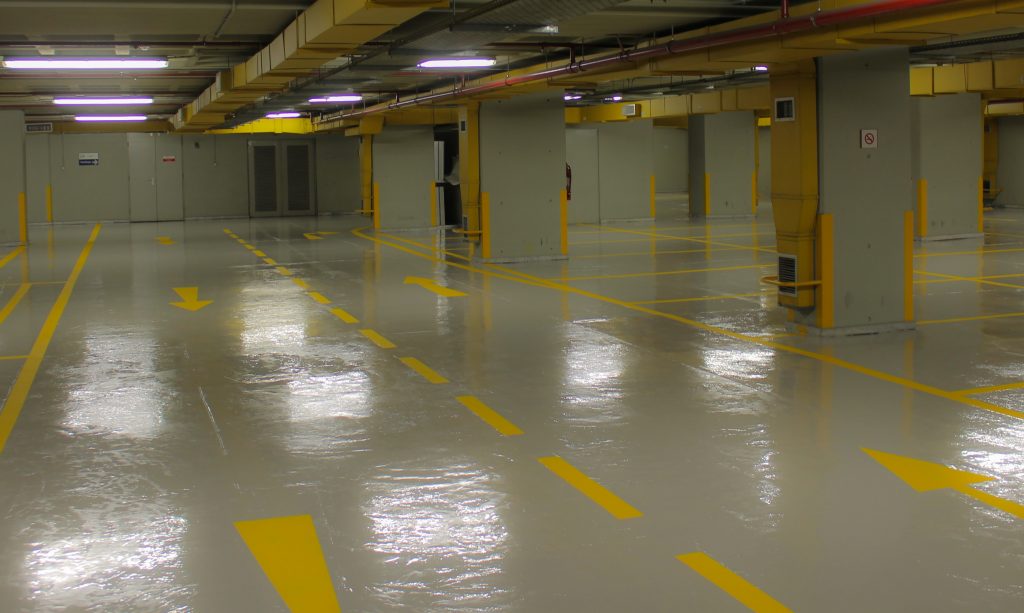
Okay, what about epoxy resin? This is remarked to be a very cheap method to cover all cracks in the floor, ceiling, or balcony. Your epoxy resin floor will also double as an anti-slip solution as well- but these benefits are only temporary.

Like the previous methods, you will have to be touch up and re-layer epoxy coatings over time. Not to mention, there will be a tedious pre-cleaning time and long waiting period until the floor is safe to be walked on again.

Epoxy coating belongs in the carpark, not your home!
Photo credit: Learncoatings
 And do you really want your toilet, ceiling, or roof looking like a carpark? 

5. Use nanotechnology waterproofing by Nano-G

One way to prevent water leakages is by waterproofing areas that tend to pool water.
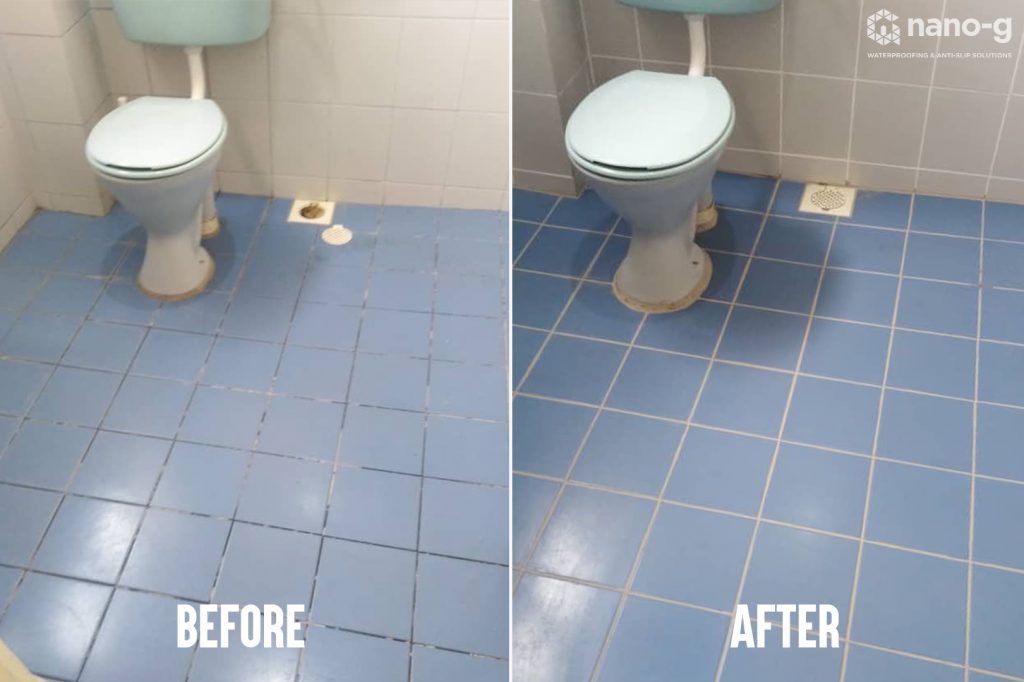
 Have your bathroom tiles look brand new again!  

Instead of going through the trial and error of figuring out what’s the best method to waterproof your bathroom tiles, ceiling or roof, get an expert to inspect your stain or leaking issues!

Nano-G uses a non-hacking, non-toxic method that creates a thin layer of coating that goes into the smallest hairline crack on any surface. It is also suitable for both indoor and outdoor coating. Unlike the previous waterproofing methods, Nano-G’s nanotechnology waterproofing technology is dust-free and odor-free. You can still be at home as the product is being applied in your bathroom, balcony, or on your ceiling. What’s more, the waterproofing application only takes 24 hours to dry!

Read more about Nano-G’s waterproofing services here:

Need help with your water leakage problems? We’re the experts for you, message us on these platforms:

Facebook m.me/nanogmalaysia
WhatsApp nanog.wasap.my
Or give our hotline a call at 1800-18-6266